
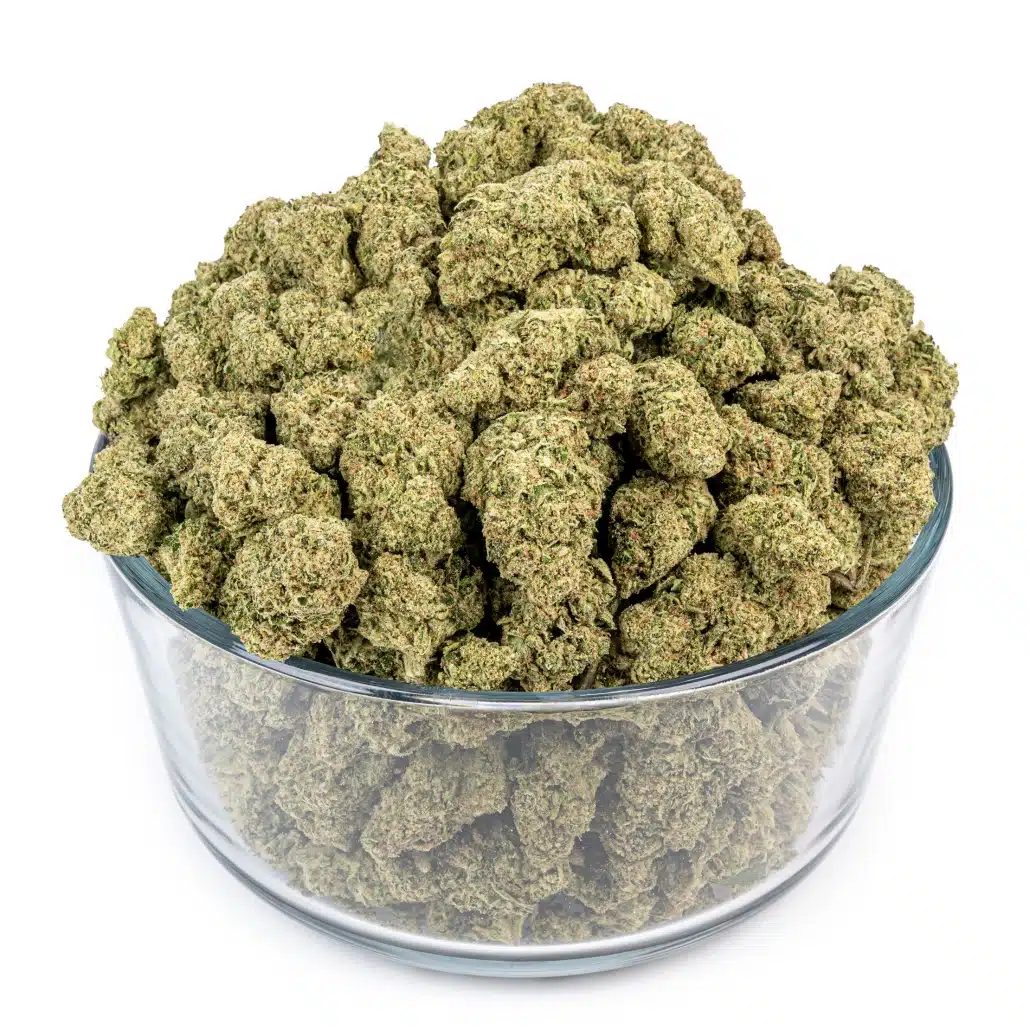
A product's appearance can tell you a lot about its texture, color, and consistency, but it cannot reveal everything hidden inside. A clean-looking cannabis flower or a glossy concentrate may still contain unwanted chemical residues, toxic metals, or harmful microorganisms. These contaminants are often invisible, making laboratory testing essential to product evaluation.
Whether you are researching THCa hemp floweror exploring cannabis concentrates, understanding a Certificate of Analysis (COA) helps you look beyond marketing claims. The right contaminant tests can reveal important information about product purity, potential risks, and laboratory quality standards.
1. Why Contaminant Testing Matters?
Cannabis and hemp plants can absorb substances from their growing environment, while cultivation, processing, extraction, and storage can introduce additional contaminants. Testing helps identify these unwanted substances before products reach consumers.
For example, pesticides may remain on plant material, heavy metals can accumulate through contaminated soil or water, and microorganisms may develop under unsuitable growing or storage conditions. Concentrates require particular attention because extraction can increase the concentration of certain compounds, including some contaminants, depending on the extraction process.
When evaluating products such as THC diamonds in sauce for sale, do not assume that a refined appearance or high cannabinoid concentration guarantees purity. Independent laboratory results provide more meaningful evidence than appearance alone.
2. Pesticide Testing: Checking for Chemical Residues
Pesticides are used in agriculture to control insects, mites, fungi, and other pests. However, certain pesticide residues may pose health risks, particularly when products are inhaled or used repeatedly.
A comprehensive pesticide screen checks for specific compounds identified by the applicable testing requirements. These may include insecticides, fungicides, and miticides. The exact panel varies by jurisdiction and laboratory.
What should you look for?
- A broad pesticide panel: Confirm that the laboratory tests for the pesticides relevant to the product and local regulations.
- Individual results: Check whether each compound is reported as detected, not detected, or quantified.
- Regulatory limits: Compare detected concentrations against the applicable legal limits.
- Testing methods: Look for validated analytical techniques, such as liquid chromatography-tandem mass spectrometry (LC-MS/MS) or gas chromatography-mass spectrometry (GC-MS), where appropriate.
A result marked "pass" is meaningful only in the context of the laboratory's testing scope and the applicable limits. If a pesticide is not included in the panel, its absence from the report does not establish that the product is free of that substance.
3. Heavy Metal Testing: Identifying Toxic Elements
Plants can absorb metals from soil, irrigation water, fertilizers, and other environmental sources. Cannabis and hemp products may therefore contain trace amounts of metals, depending on cultivation conditions and processing practices.
The most important elements to check commonly include:
- Lead: Exposure can affect the nervous system and other organs.
- Cadmium: Long-term exposure can damage the kidneys and contribute to bone problems.
- Arsenic: Certain forms are toxic and are associated with serious health effects.
- Mercury: Some forms can harm the nervous system and kidneys.
How are Heavy Metals Detected?
Laboratories commonly use inductively coupled plasma mass spectrometry (ICP-MS) to measure metals at low concentrations. Results may be expressed in parts per million (ppm), parts per billion (ppb), or micrograms per gram, depending on the report.
When reviewing THCa hemp flower, check that the heavy metal panel covers the relevant elements and that reported concentrations comply with applicable standards. Do not interpret a low result as automatically safe without considering the substance, exposure route, and regulatory limit.
4. Microbial Testing: Looking Beyond Visible Mold
Microbial contamination can occur when moisture, temperature, sanitation, or storage conditions allow microorganisms to grow. Importantly, contamination is not always visible or detectable by smell.
A suitable microbial screen may evaluate:
- Total aerobic microbial count: An estimate of viable aerobic microorganisms.
- Total yeast and mold count: An indicator of fungal and yeast contamination.
- E. coli and Salmonella: Specific microorganisms that may indicate contamination and potential health risks.
- Aspergillus species: Certain species can pose particular concerns, especially for vulnerable individuals.
The required organisms and acceptable limits depend on local regulations, product type, and intended use. Some jurisdictions also require testing for specific microbial toxins or other biological hazards.
Laboratories may use culture-based methods or validated molecular techniques, depending on the organism and testing protocol. A negative result means the target was not detected within the test's capabilities; it does not guarantee that every possible microorganism is absent.
For products marketed as THC diamonds in sauce for sale, verify which microbial tests are appropriate for the specific concentrate and whether the laboratory has tested the final product rather than relying solely on results from the original plant material.
5. How to Read a Certificate of Analysis (COA)?
A Certificate of Analysis summarizes laboratory findings for a particular sample or batch. Reading it carefully helps you determine what was actually tested and what the results mean.
Check these five details:
- Product and batch identification: Confirm that the report matches the exact product and batch you are evaluating.
- Laboratory credentials: Look for an independent laboratory with relevant accreditation, such as ISO/IEC 17025 accreditation for the applicable testing scope.
- Sample and report dates: Recent results are useful, but the sample must also be representative of the product being sold.
- Detection limits: Review the limit of detection (LOD) and limit of quantification (LOQ), where provided. These explain what the laboratory can detect or reliably measure.
- Pass/fail criteria: Determine whether results meet the relevant jurisdiction's requirements and whether any tests were omitted or marked inconclusive.
A COA should be specific, traceable, and complete enough to support an informed assessment. A generic report or a certificate that cannot be linked to the product's batch offers limited reassurance.
6. Other Tests Worth Checking
Although pesticides, heavy metals, and microbial contamination are key priorities, they are not the only considerations. Depending on the product and local requirements, additional testing may include residual solvents, mycotoxins, moisture content, water activity, and cannabinoid potency.
Residual solvent testing is particularly relevant to products manufactured using solvents during extraction. Testing can help identify solvent residues that exceed applicable limits. Moisture and water activity measurements can also help assess conditions associated with microbial growth.
For concentrates and flower products alike, distinguish contaminant testing from potency testing. A report showing high THC or THCa content does not establish that the product has passed pesticide, heavy metal, microbial, or residual solvent testing.
Conclusion
Contaminant testing is a practical way to evaluate cannabis and hemp products beyond their appearance, aroma, or advertised potency. Pesticide screening helps identify chemical residues, heavy metal analysis checks for toxic elements, and microbial testing assesses specific biological hazards.
Before evaluating THCa hemp flower or researching THC diamonds in sauce for sale, review the complete, batch-specific COA, confirm the laboratory's credentials, and compare results with applicable standards. No single test proves that a product is entirely free of risk, but comprehensive, reliable testing provides a stronger foundation for understanding product quality and making informed decisions.
Disclaimer: This content is intended for general educational and informational purposes only and does not constitute medical, legal, or professional advice. Hemp and THCA-related laws vary by jurisdiction and may change. Product composition and quality depend on cultivation, processing, storage, and testing. Always consult qualified professionals and applicable regulations before producing, distributing, or purchasing hemp-derived products.